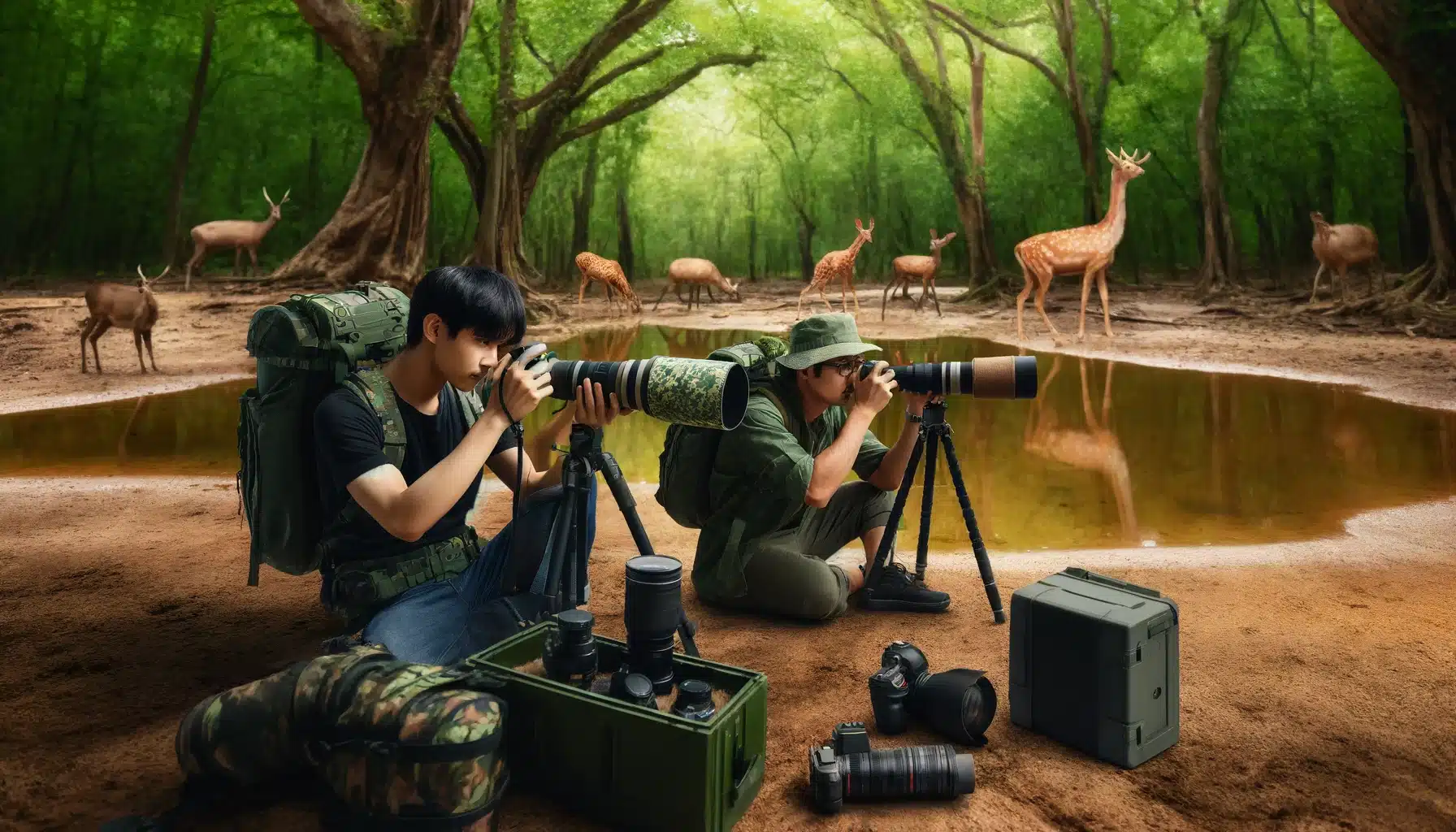
For many nature enthusiasts, wildlife photography starts as a hobby — a way to capture the beauty of the natural world during weekends or holidays. But what if that hobby could evolve into something more? What if your passion for photographing wildlife could become a professional skill, a source of income, or even a career?
A wildlife photography course is designed for exactly that transformation. It takes you from casual snapshots to skilled photography that captures the essence of animals and their habitats while teaching you how to work ethically and responsibly. Whether you’re photographing birds in your backyard, kangaroos in national parks, or reptiles in the bush, structured learning accelerates your progress.
In this article, we explore the benefits of enrolling in a wildlife photography course and how it can help you move from hobbyist to pro.
1. Sharpening Your Photography Skills
One of the biggest advantages of a wildlife photography course is technical improvement. Casual photographers often struggle with issues like blurred subjects, poor lighting, or unflattering composition. A course teaches you to master your camera and lens settings so you can consistently produce professional-quality shots.
Key Skills You’ll Learn
- Adjusting shutter speed, aperture, and ISO for moving animals
- Choosing the right lens for different subjects
- Framing and composition techniques that enhance storytelling
- Using natural light to create mood and highlight details
By the end of the course, even previously frustrating situations — like fast-moving birds or nocturnal creatures — become manageable, giving you confidence in any wildlife setting.
2. Learning Ethical and Sustainable Practices
Photography is not just about taking pictures; it’s about doing so responsibly. A wildlife photography course emphasises ethical practices that protect both animals and their habitats.
Principles You’ll Master
- Maintaining a safe distance to avoid disturbing wildlife
- Avoiding sensitive nesting or feeding areas
- Minimising your footprint in delicate ecosystems
- Using photography to support conservation awareness
The Australian Government provides resources for responsible wildlife interaction, helping photographers understand legal and ecological responsibilities:
🔗 Responsible wildlife interaction
Courses teach how to integrate these principles into every shoot, ensuring your passion doesn’t harm the animals or environment you care about.
3. Networking and Professional Opportunities
Beyond technical skills, a wildlife photography course offers access to like-minded people and professional mentors. Networking with other photographers provides inspiration, support, and collaboration opportunities.
How Networking Helps You Grow
- Learning from experienced photographers’ techniques
- Gaining feedback to improve your portfolio
- Discovering potential exhibitions, competitions, or paid assignments
- Connecting with conservation projects that need photographic documentation
These relationships often turn casual photographers into serious professionals, opening doors that would otherwise remain closed.
4. Monetising Your Photography
For many hobbyists, the ultimate goal is turning their passion into a revenue stream. A wildlife photography course equips you with knowledge to do this ethically and effectively.
Ways to Earn Income
- Selling prints, calendars, or digital images
- Collaborating with tourism boards, magazines, or brands
- Offering photography workshops or guided tours
- Participating in competitions or exhibitions
Additionally, understanding how to share content online responsibly can grow your audience, increase visibility, and create monetisation opportunities.
Video Example
Here’s a YouTube video demonstrating professional wildlife photography techniques and ethical practices in action:
It’s a great complement to what you’ll learn in a wildlife photography course, showing real-world applications of skill, patience, and respect for nature.
Conclusion
A hobbyist photographer can take beautiful snapshots, but a wildlife photography course turns those snapshots into professional, ethical, and impactful images. From technical mastery to ethical responsibility, networking, and potential income, a course provides the foundation for serious wildlife photography.
If you’re passionate about capturing the natural world and want to move beyond casual photography, enrolling in a wildlife photography course is a decisive step toward achieving your goals.